
Index funds have emerged as a cornerstone of modern portfolio management, revolutionizing the investment landscape and democratizing access to diversified, low-cost investment options for investors of all sizes. With their passive investment approach and focus on tracking market indices, index funds play a pivotal role in shaping the efficiency, accessibility, and transparency of the financial market. Let’s delve into the multifaceted role of index funds and their impact on investors, markets, and the broader economy.
- Efficiency and Market Access:
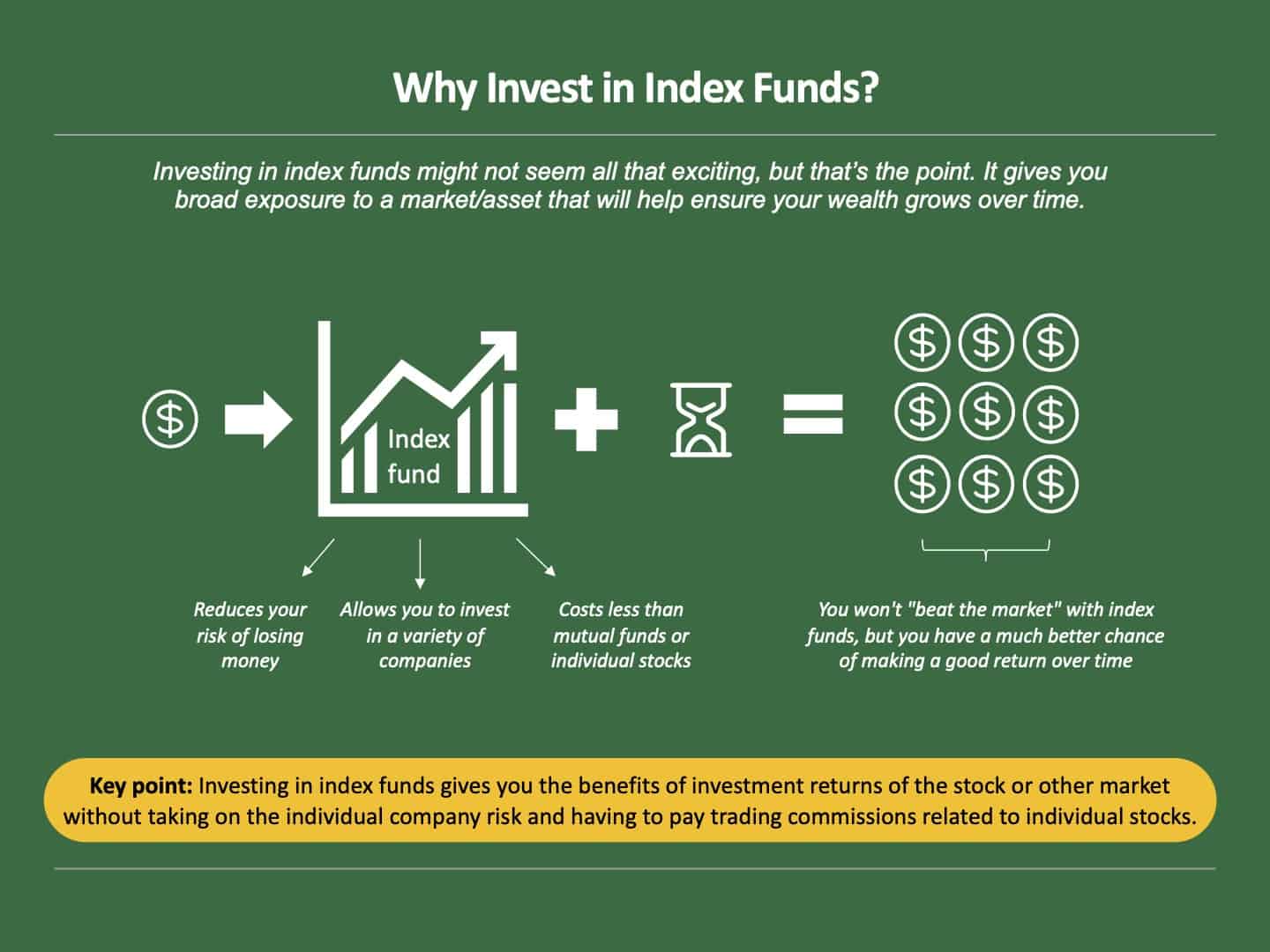
Index funds provide investors with efficient access to broad market exposure across various asset classes, sectors, and geographic regions. By tracking popular market indices such as the S&P 500, Dow Jones Industrial Average, or MSCI World Index, index funds offer diversified portfolios of stocks or bonds that mirror the performance of the underlying market benchmarks. This passive investment approach eliminates the need for active stock selection and market timing, reducing trading costs, turnover, and portfolio management expenses.
- Diversification and Risk Reduction:
Diversification is a fundamental principle of investing, and index funds excel in providing investors with diversified exposure to a wide range of securities within a single investment vehicle. By investing in an index fund, investors gain exposure to hundreds or thousands of individual stocks or bonds, spreading risk across different companies, industries, and regions. This diversification helps mitigate idiosyncratic risk and company-specific events, reducing the impact of adverse developments on investment returns and enhancing portfolio resilience.
- Cost-Effective Investing:
Index funds are renowned for their cost-effectiveness and fee transparency, offering investors low expense ratios and minimal management fees compared to actively managed mutual funds or exchange-traded funds (ETFs). With their passive investment approach and minimal portfolio turnover, index funds incur lower operating expenses and trading costs, resulting in lower total costs for investors over the long term. This cost advantage translates into higher net returns for investors, allowing them to keep more of their investment gains and compound wealth more effectively over time.
- Market Efficiency and Price Discovery:
Index funds play a crucial role in promoting market efficiency and price discovery by reflecting the collective wisdom of millions of market participants in the prices of constituent securities. As index funds passively track market indices, they contribute to the efficient allocation of capital, fair pricing of securities, and accurate valuation of financial assets based on supply and demand dynamics. Index funds provide liquidity and depth to financial markets, facilitating smooth trading and price discovery, and reducing market frictions such as bid-ask spreads and price volatility.
- Long-Term Investing and Wealth Accumulation:
Index funds are well-suited for long-term investors seeking to build wealth steadily and achieve their financial goals over time. By adopting a buy-and-hold investment strategy, index fund investors can harness the power of compounding and participate in the long-term growth of the global economy. Index funds offer investors a simple, disciplined approach to investing, allowing them to stay invested through market fluctuations, economic cycles, and geopolitical uncertainties without succumbing to emotional reactions or impulsive trading behavior.
- Inclusivity and Investor Empowerment:
One of the most significant advantages of index funds is their inclusivity and democratizing effect on investing, allowing investors of all sizes and backgrounds to access diversified, low-cost investment options previously reserved for institutional investors or high-net-worth individuals. Index funds empower individual investors to participate in the wealth-creating potential of financial markets, build diversified portfolios tailored to their risk tolerance and investment objectives, and achieve financial security and independence over the long term.

In conclusion, index funds have emerged as a transformative force in the financial market, offering investors efficient, cost-effective, and transparent investment solutions to build wealth, diversify portfolios, and achieve long-term financial goals. As the popularity of index investing continues to grow, index funds will play an increasingly prominent role in shaping the efficiency, accessibility, and inclusivity of financial markets, empowering investors to navigate market complexities and achieve financial success with confidence and conviction.